
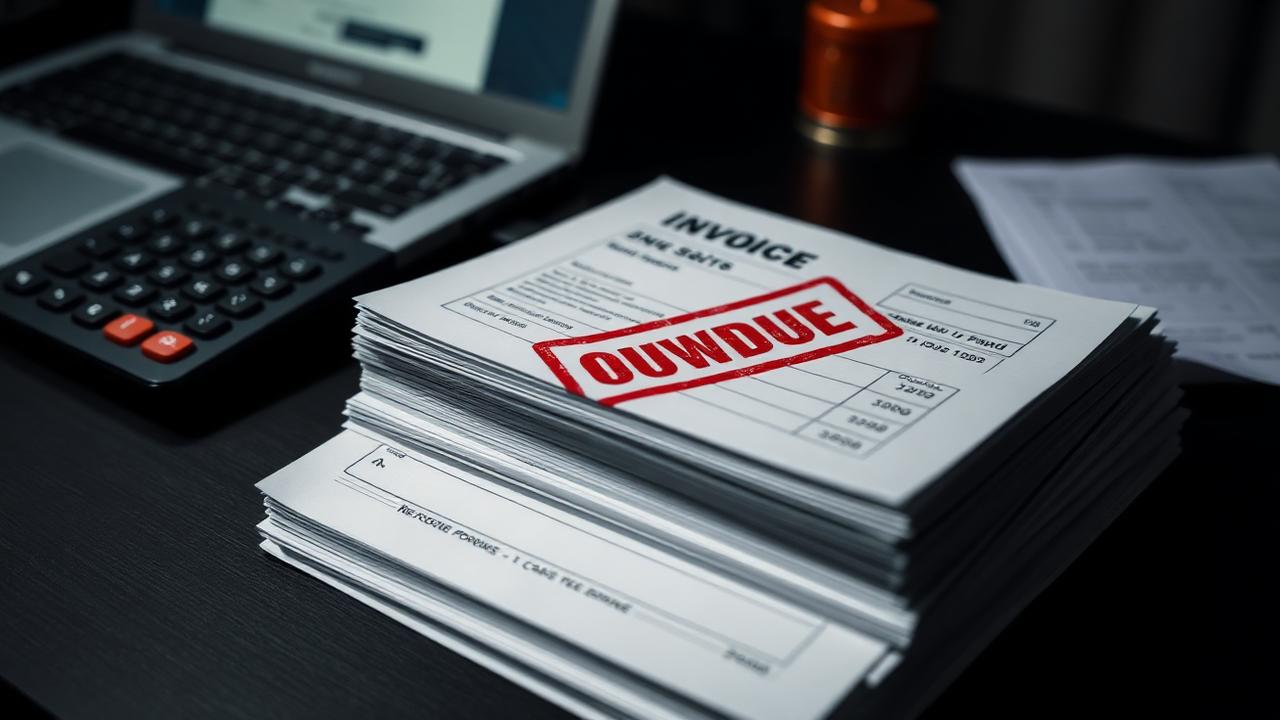
Chasing an unpaid invoice is uncomfortable, but the businesses that recover the most money are simply the ones with the clearest process. Speed and consistency matter far more than aggression: the older a debt gets, the less likely it is to be paid in full.
Step 1: Confirm the Invoice Is Not in Dispute
Before escalating, check that the invoice was received, addressed to the correct entity, and matches the agreed scope and price. A surprising number of overdue invoices are simply sitting with the wrong contact or missing a purchase order number.
- Correct legal entity and address
- Purchase order or reference included
- Delivery or completion evidence on file
- Payment terms clearly stated
Step 2: Make Early, Documented Contact
A short call the day after the due date is far more effective than a system-generated reminder two weeks later. Follow every conversation with a written summary confirming what was agreed and when payment will be made. That written trail becomes valuable evidence if the matter escalates.
Step 3: Escalate to a Decision Maker
Accounts payable can only pay what has been approved. If two reminders pass without payment, move the conversation to the person who commissioned the work or a director. Keep the tone professional and factual, and state clearly what happens next if payment is not received.
Step 4: Issue a Letter Before Action
A letter before action sets out the debt, the basis of the claim and a deadline for payment, usually seven to fourteen days. It signals that the matter is now formal. Many debts are settled at this stage because the debtor understands that court proceedings and additional costs are the next step.
- State the invoice numbers, dates and total owed
- Reference the contract or agreed terms
- Include statutory interest and compensation where applicable
- Give a clear payment deadline and method
Step 5: Use Statutory Rights on Late Payment
Under UK late payment legislation, businesses can normally claim interest and fixed compensation on overdue commercial invoices. Applying these rights consistently changes the economics for a debtor who is deliberately holding onto your money.
Step 6: Instruct a Commercial Recovery Specialist
If the deadline in your letter before action passes, hand the matter over. A specialist recovery team brings a formal process, established escalation routes and the credibility of a third party, without you having to commit to litigation up front.
- Structured pre-legal recovery before any court action
- No win, no fee terms on qualifying commercial debts
- Support with disputes and payment plans
- Escalation to legal proceedings only where justified
Get Your Invoices Paid
The single biggest factor in recovery is how quickly you act. If you are holding invoices that are more than 60 days overdue, send us the details and we will tell you what is realistically recoverable and what it will cost.